
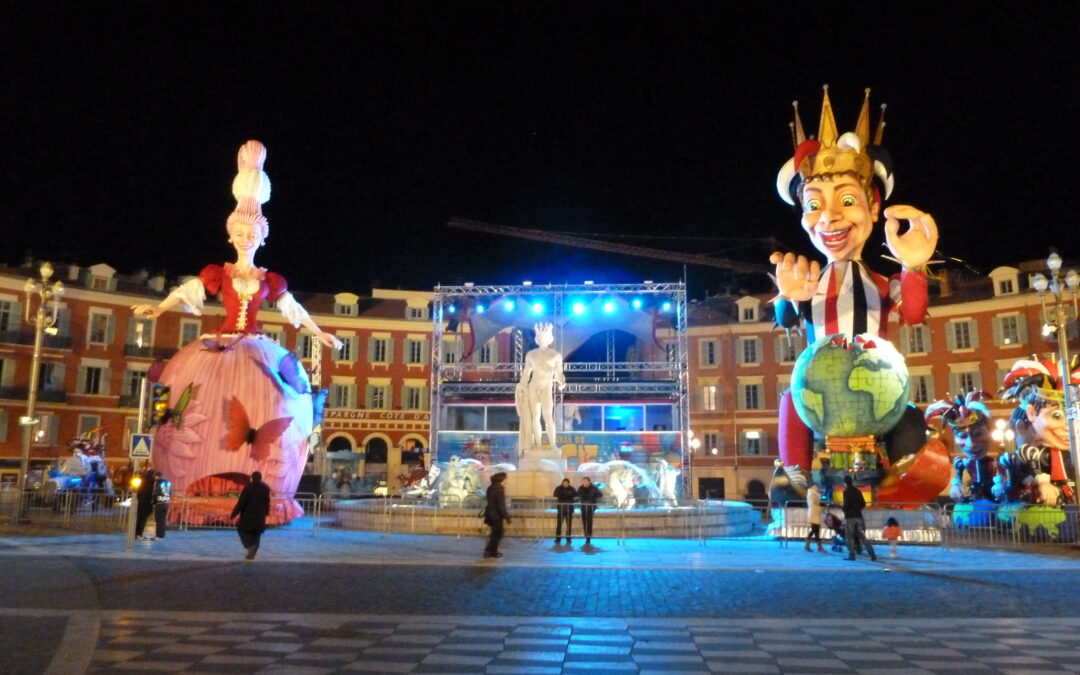
Le Carnaval and Mardi Gras in France
When February arrives in France, some folks think of Mardi Gras. Or Carnaval…What’s the difference? What is their significance, and where does this take place? Read further for more insight!
What is Carnaval?
Carnaval describes the entire period from January 6 (Epiphany) to Lent, but the celebrations take place during a single festive week. Mardi Gras marks the final day of that celebration, the day before Ash Wednesday. Ash Wednesday is the first day of Lent, and in the Catholic tradition, it begins a period of fasting from certain foods and/or pleasures.
Mardi Gras is your last chance to stuff your face with all the fattening things before you fast! It’s not a national holiday, but is a festive event in many parts of France.
The word Carnaval means farewell to meat, since many people fast from meat during Lent. Expect to see parades, face-painting, parties, shows, music, and a lot of over-indulgence.
Nice is the epicenter of Le Carnaval in France. A similar celebration is held in other countries as well, such as Brazil (Rio de Janeiro), Germany (Cologne), and Italy (Venice), among others. Of course, New Orleans is the Western Hemisphere’s flamboyant version.
Carnaval is also recognized in other cities of France, but with a regional flavor. Some notable examples are the boisterous Dunkirk Carnaval, the Granville Carnival in Normandy, a historic Carnaval in Limoux, Mulhouse in Alsace, Nantes, Annecy, and even Paris. Often, school children wear costumes during this time. More on Nice happenings below.
The Meaning and Origin of Le Carnaval
The festival is a time of feasting, community, fun, and wild, colorful costumes before the more solemn self-deprivation of Lent for 40 days.
Though it is uncertain when the first Carnaval occurred, an early reference dates from 1294 when the Count of Provence, Charles d’Anjou, spoke of it with fond remembrance. Other references are from 1539, when four social balls for different social classes were organized in Nice for the festival.
This tradition continued in Nice through the 1800s and beyond (except during the World Wars). Historical documents from 1830 mention carriages and parades. In 1873, a Carnaval committee was organized to attract wealthy visitors. This event was the predecessor of the current-day event. Floats, costumes, and masks became de rigeur during this epoch.
One important event during the week is the Battle of the Flowers, which began in 1876. Thousands of fresh flowers decorate floats and fill the air with fragrance. That tradition has continued to this day in Nice.
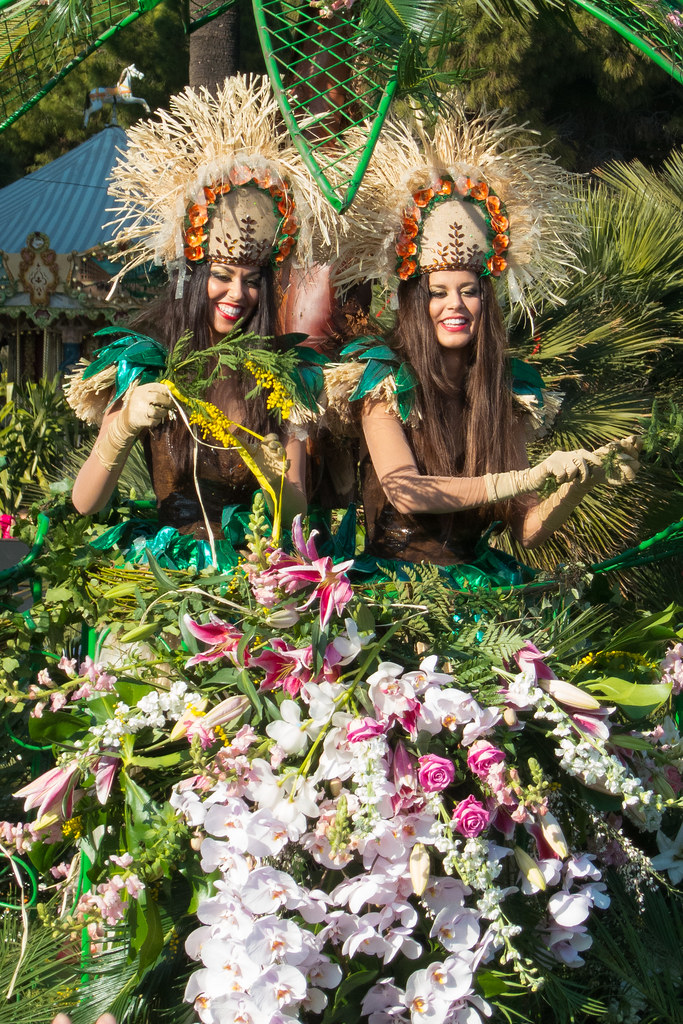
What Happens at the Nice Carnaval?
The entire week is jammed with events. Most are free, such as parades, giant figures, costumes, outdoor concerts, and the Carnaval Village, which offers entertainment, workshops, and a food court. The Light Parade and the Battle of the Flowers are ticketed events, as are the balls.
The Race of the Café Boys is a race by costumed participants and is free to the public. The one with the best costume wins. Sounds very entertaining!
The main event is the Grand Parade. Most festivities take place on the Promenade des Anglais. Each year, a King of the event has been present, though this year for the first time, there will be a Queen instead of a King.
Food consists of anything decadent, fattening, and buttery that you can imagine! Of course, there will be plenty of crêpes, gaufres (waffles), and beignets (fried dough). Enjoy the Frenchy Carnival, an outdoor brunch and music, games, and face-painting.

Beignets

Bugnes, specialty of Lyon
It has been suggested that pagan festivals from the Romans influenced the revelry. If you visit Nice during Carnaval, you’ll probably agree!
Related Posts